
FTW: Feature Design & Retention Strategy
D1 - 36%
D7 - 5%
+75% session length
For the Win is a hybrid-casual sci-fi mobile FPS, released in 2025 by Jungle. I joined the team a year earlier, during soft launch, to ship new features with the main goal of boosting engagement, specifically raising D1 retention from 18% to 40%, while keeping a fast paced production.
PROJECT TIMELINE
6 months
ROLE
UI/UX Designer
YEAR
2024
TEAM
Product Director, Engineers,
Game Designer, Art Director.
DELIVERABLES
Feature Breakdown
Competitive Analysis
Wireframes
Mockups
Documentation
Asset production
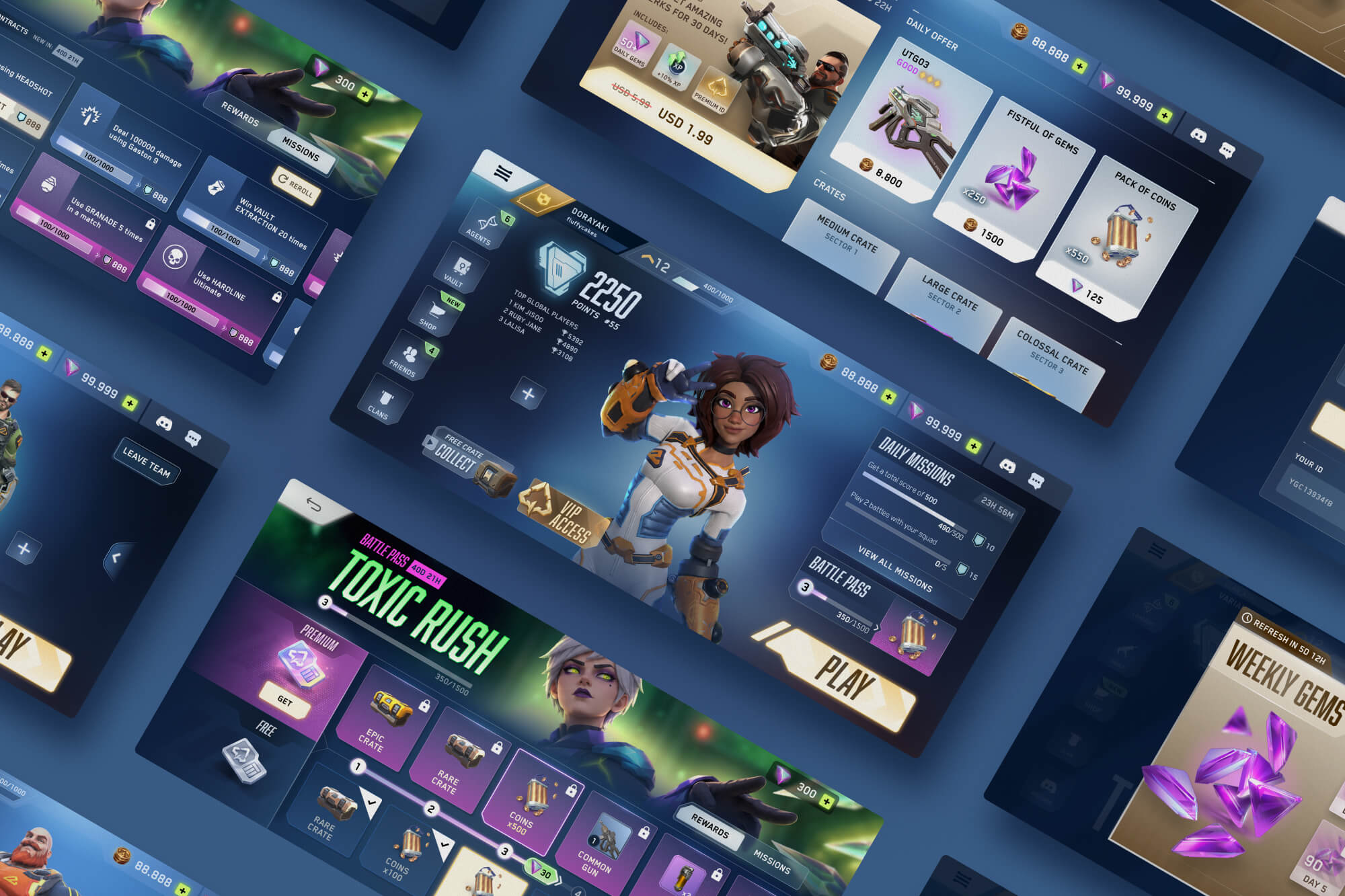
NEW FEATURES
UI CONCEPT
BATTLE PASS
SOCIAL
UI CONCEPT
BEFORE & AFTER
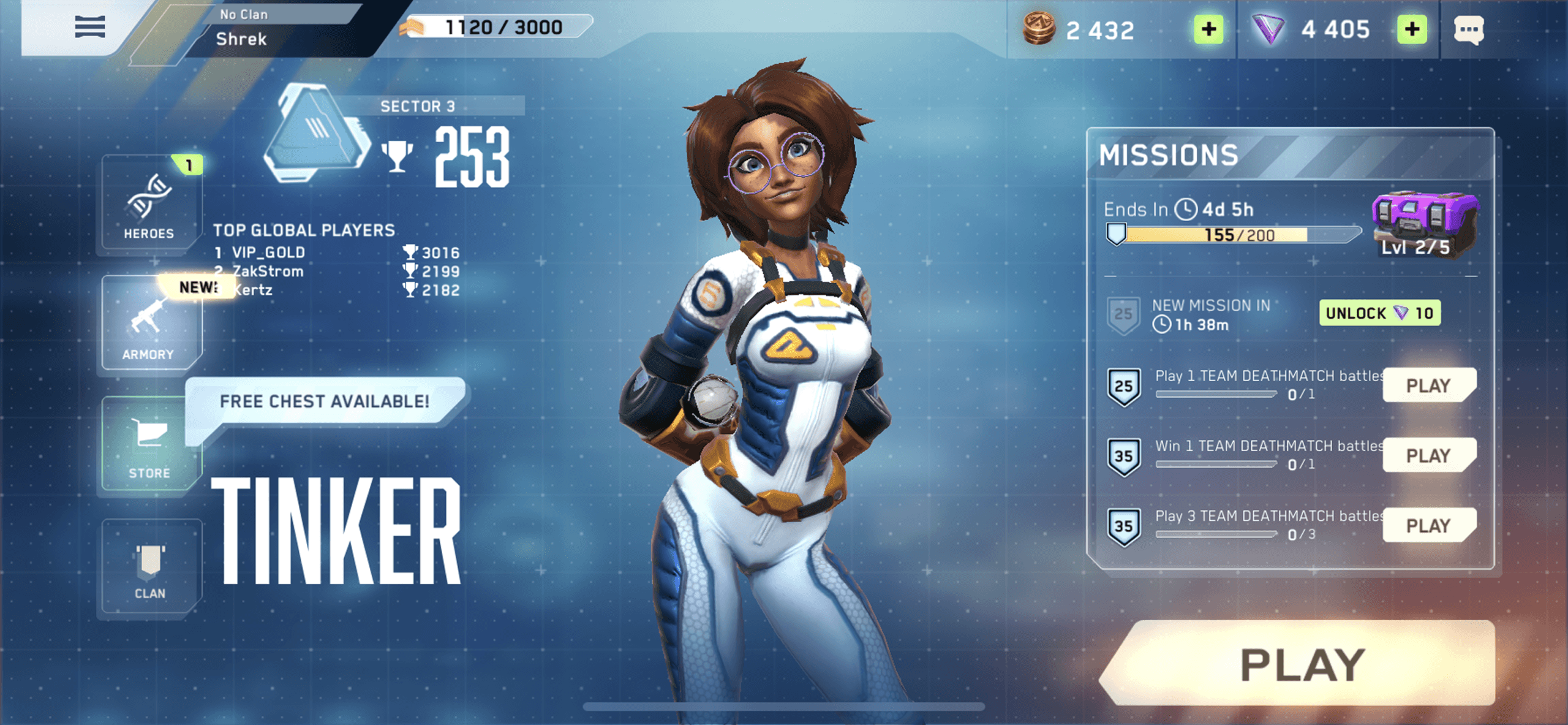
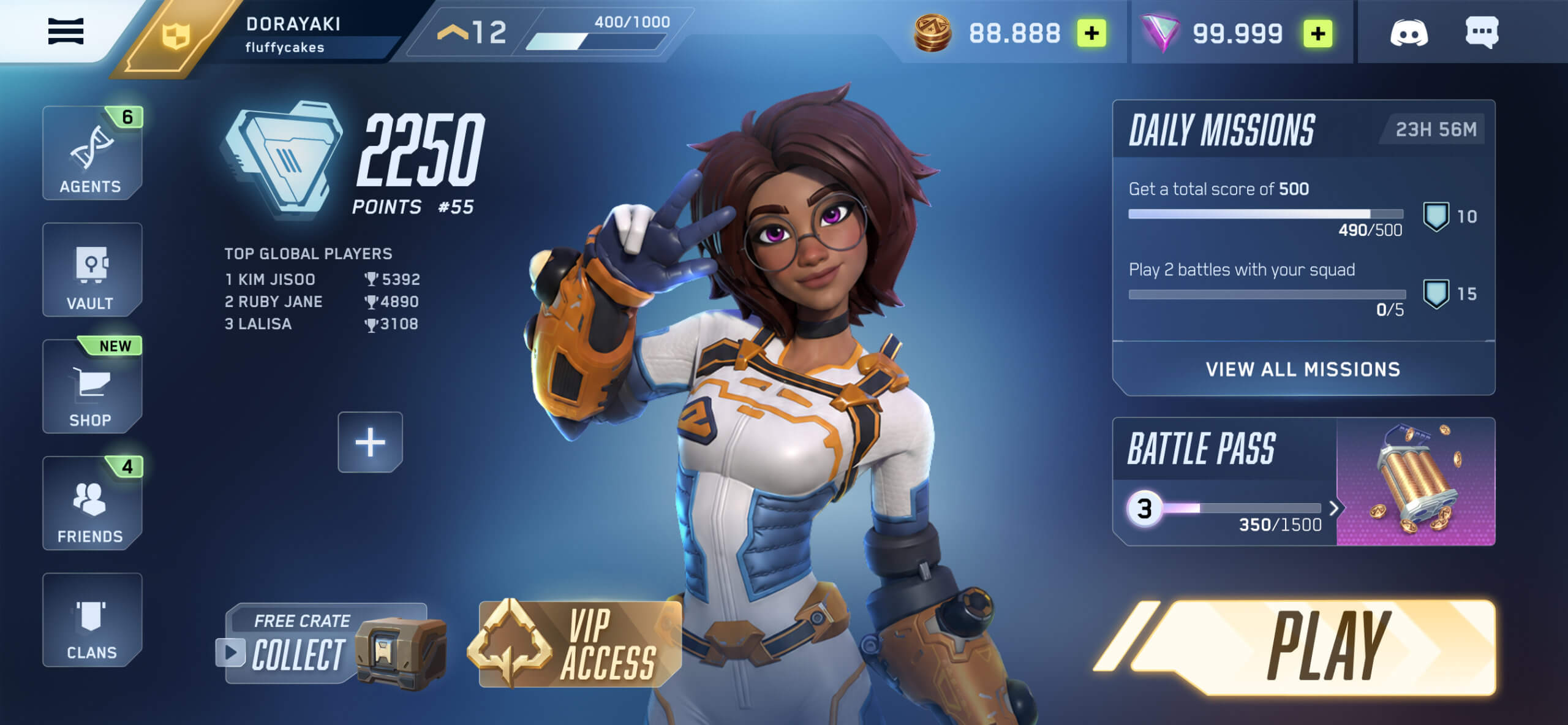
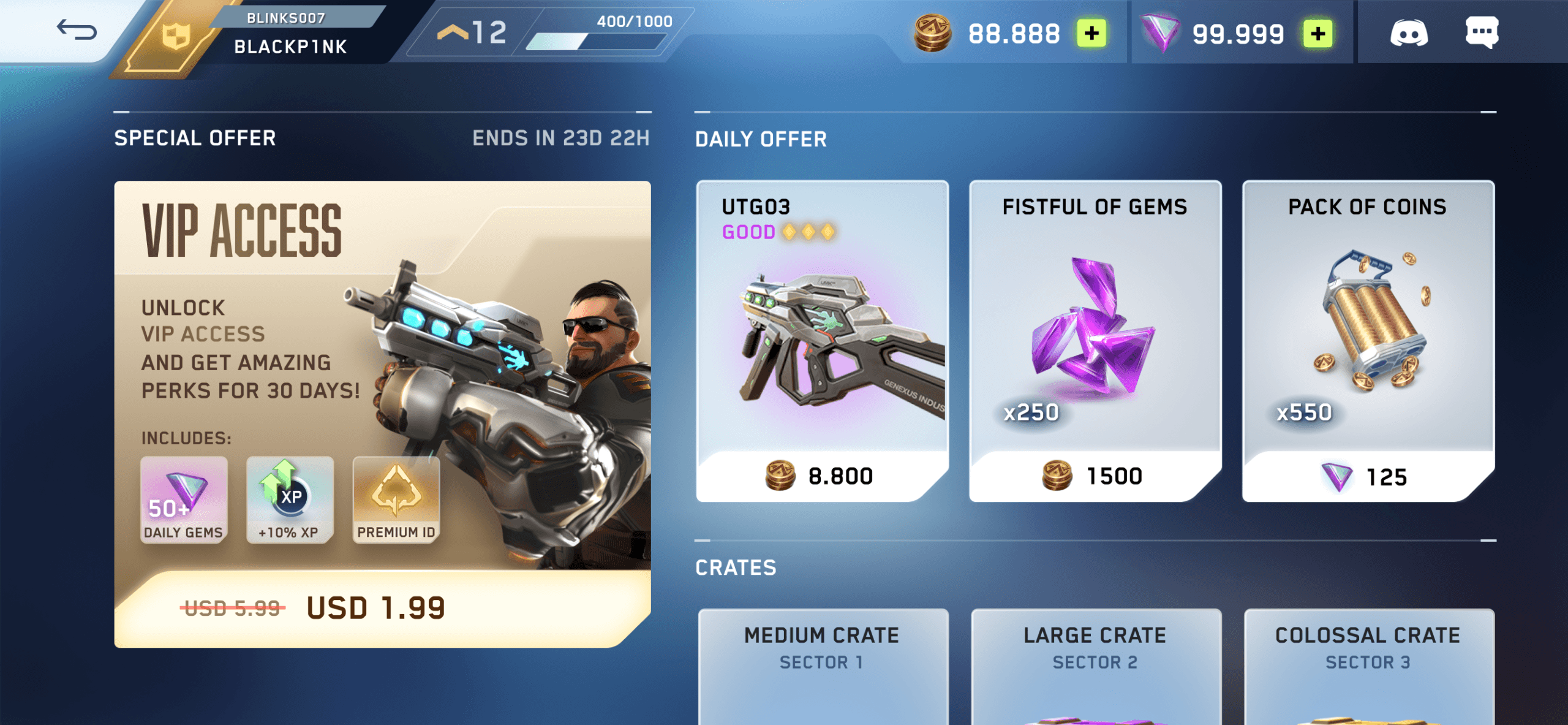
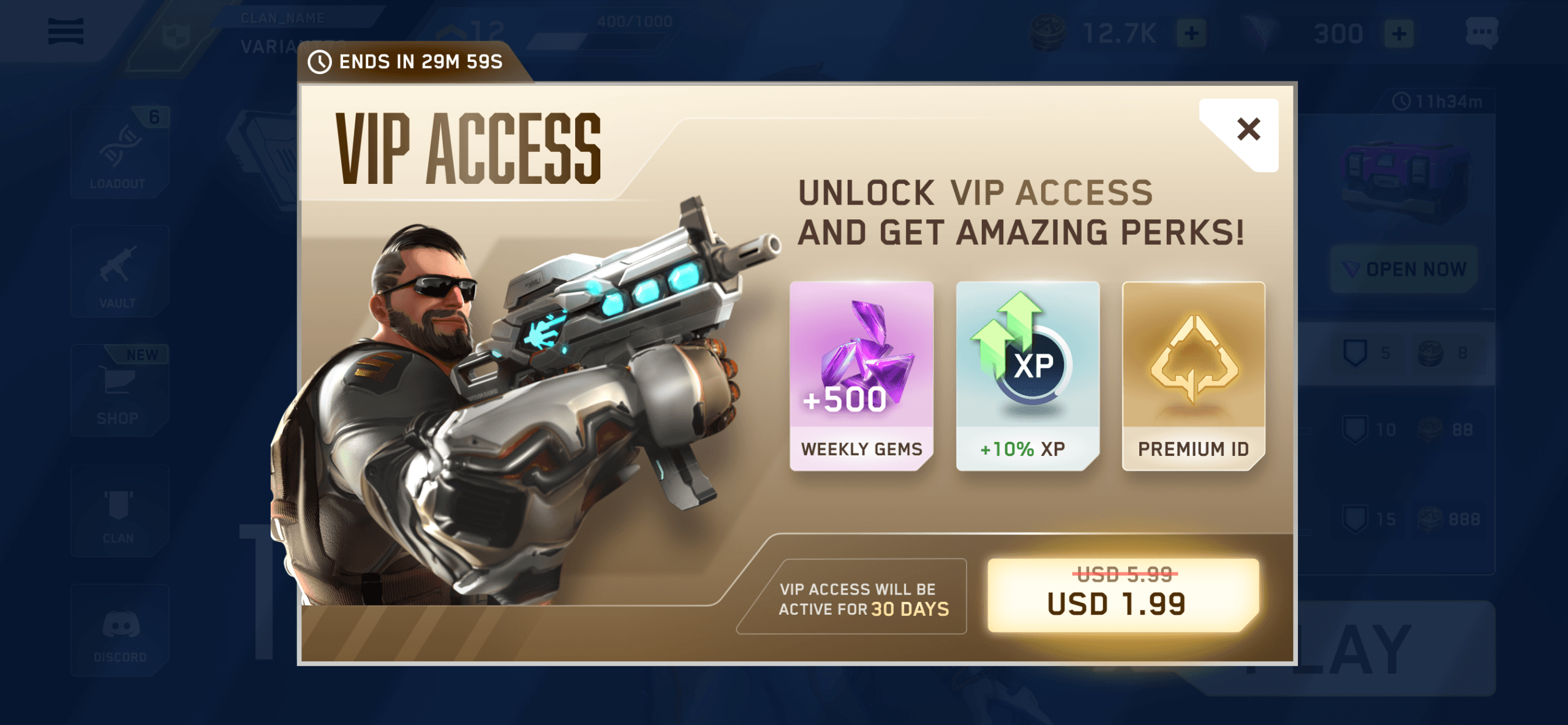
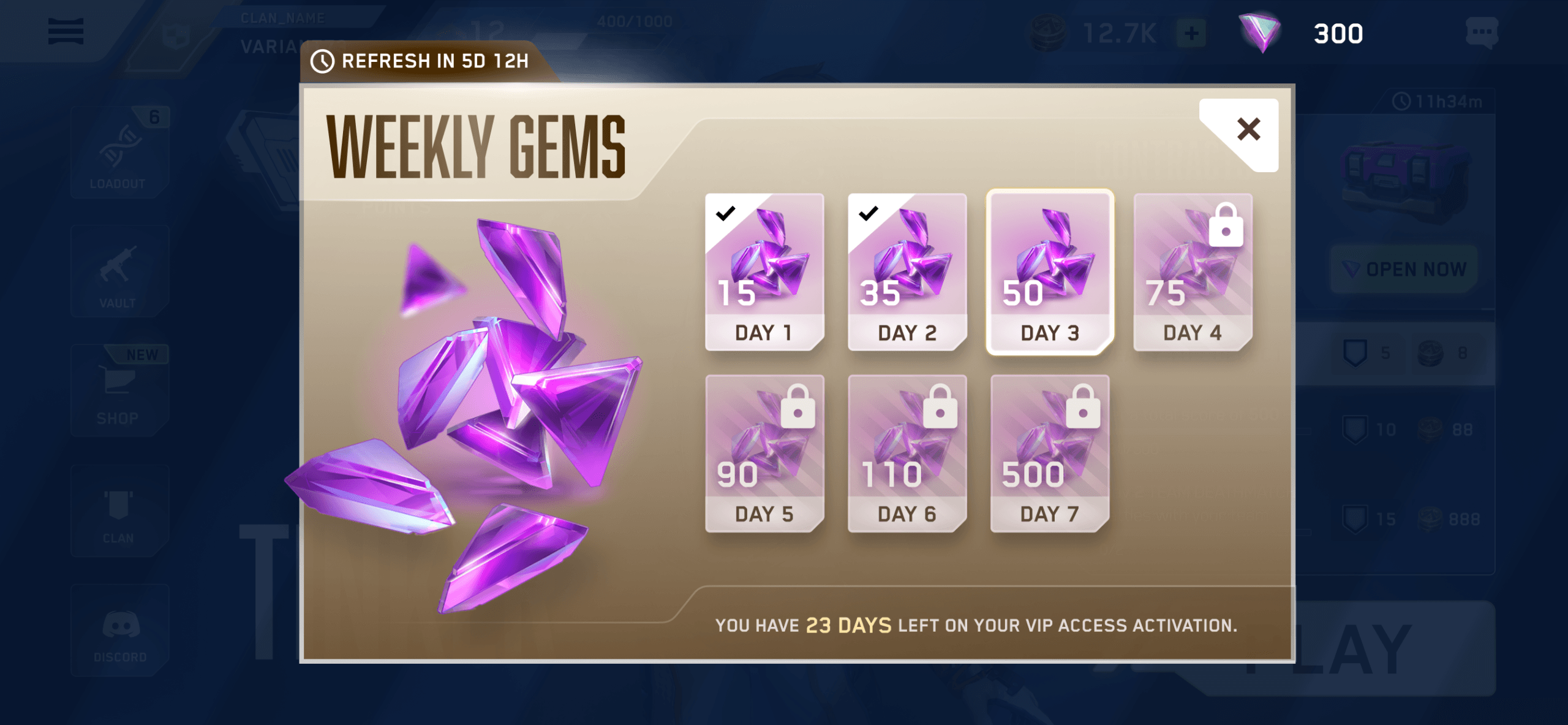
The original UI concept dates back to 2019. In 2024, I updated the game’s visual identity to align with current UI trends based on genre benchmarking, and increase appeal to new players. Instead of rebuilding from scratch, I simplified parts of the original UI and updated their look while keeping engineering effort low, which sped up implementation and avoided breaking existing screens.
BATTLE PASS
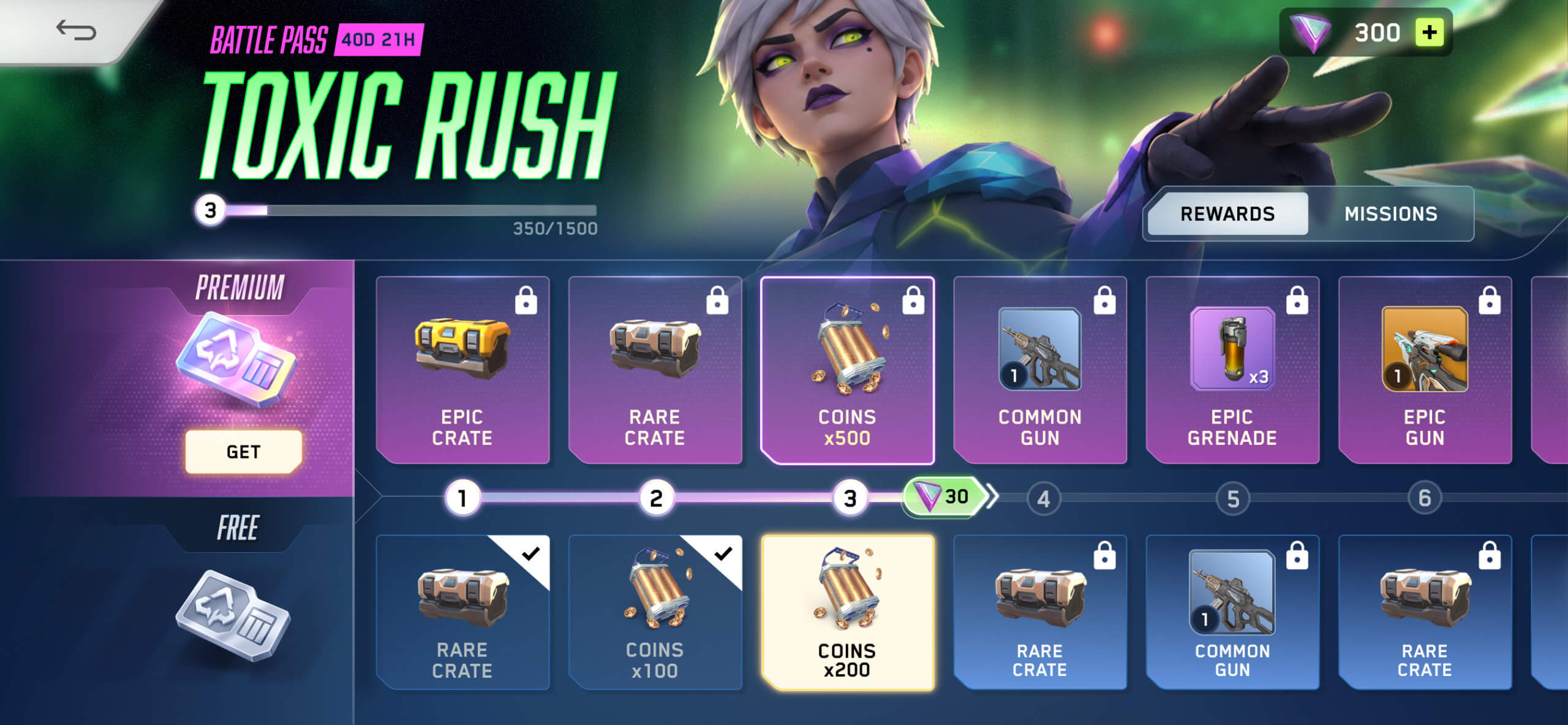
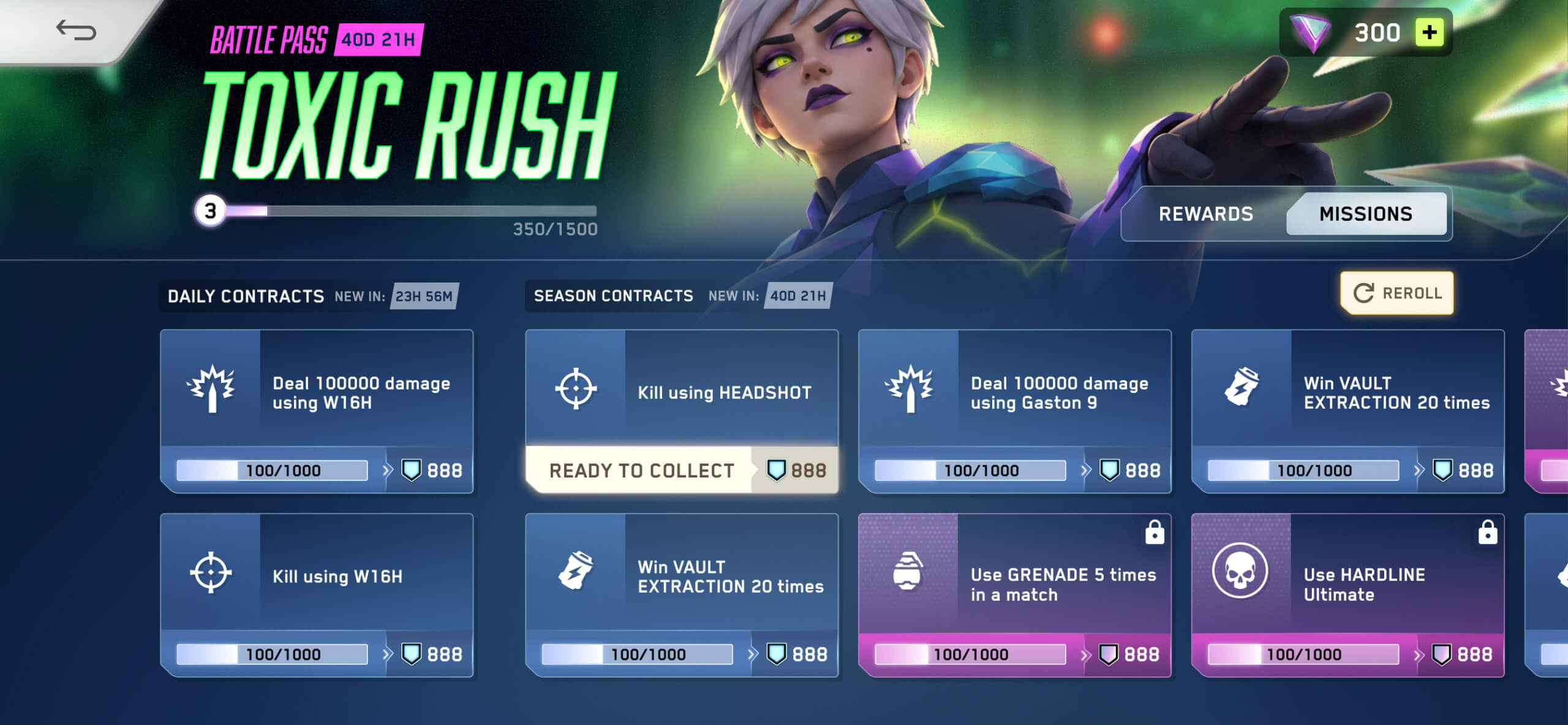
I designed the Battle Pass end to end from a light product brief. The goal was an easy-to-scan screen with simple navigation: Rewards and Missions share one screen, splitted by tabs, so players see what they earn and how to earn it in one place.
With no game artist available, I built the season banner from separate AI-generated elements, then refined them in Photoshop to match the game’s art style.
SOCIAL
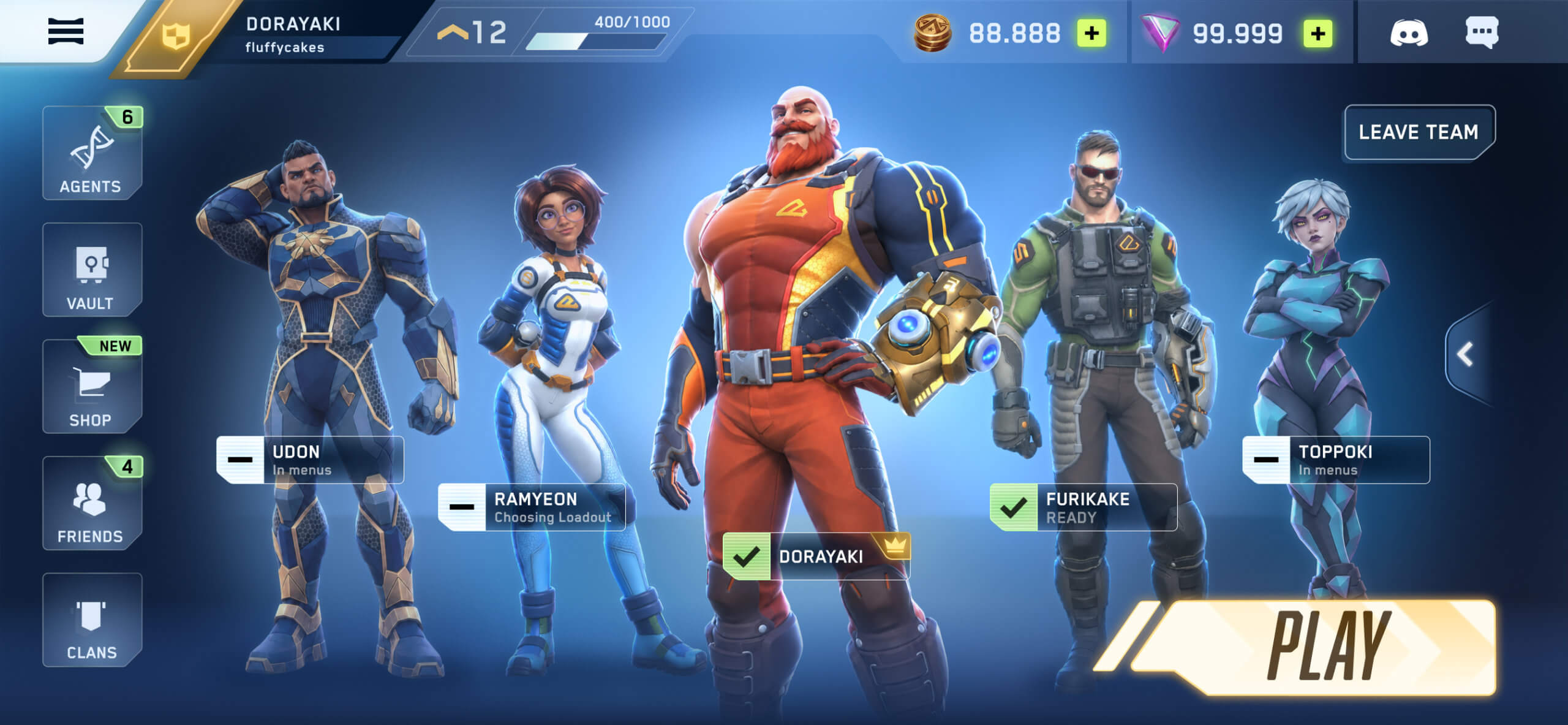
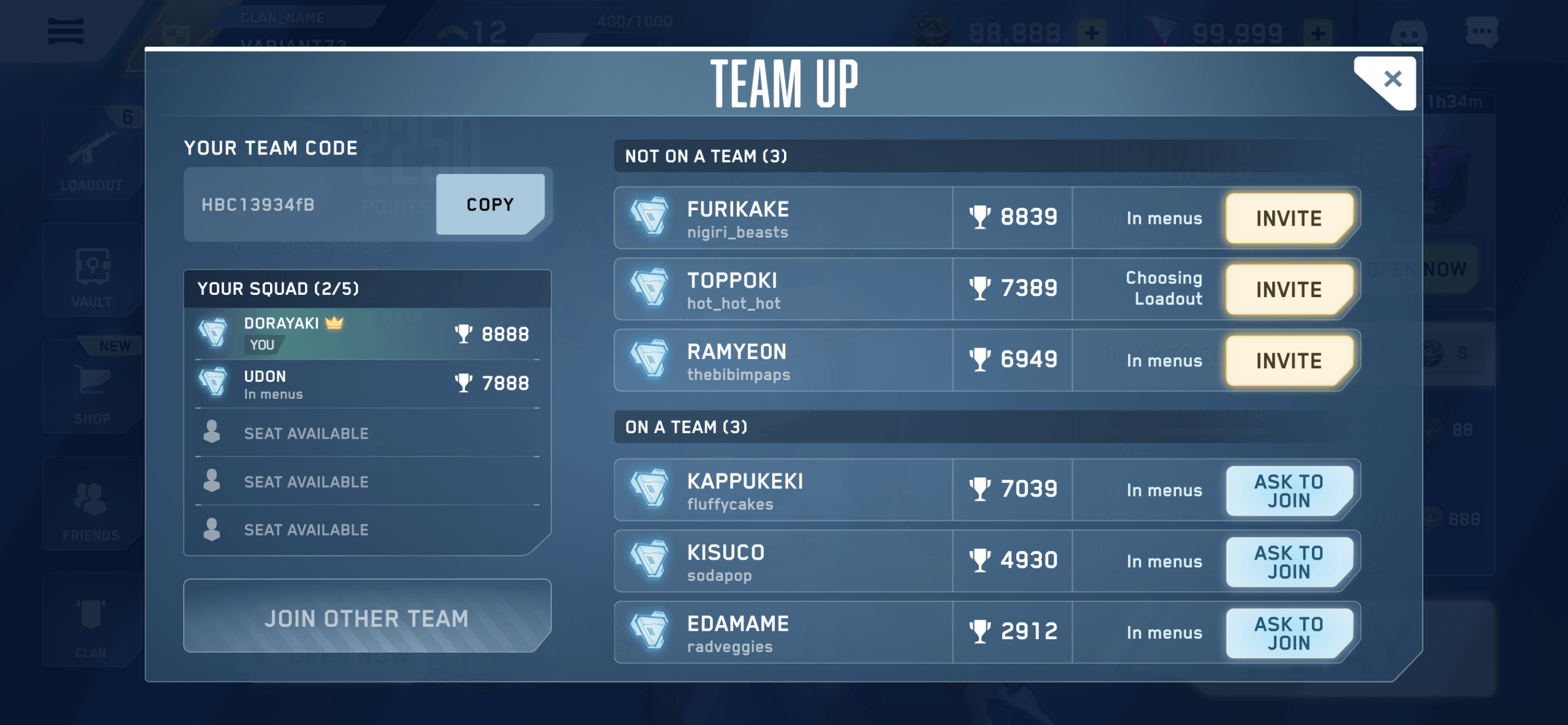
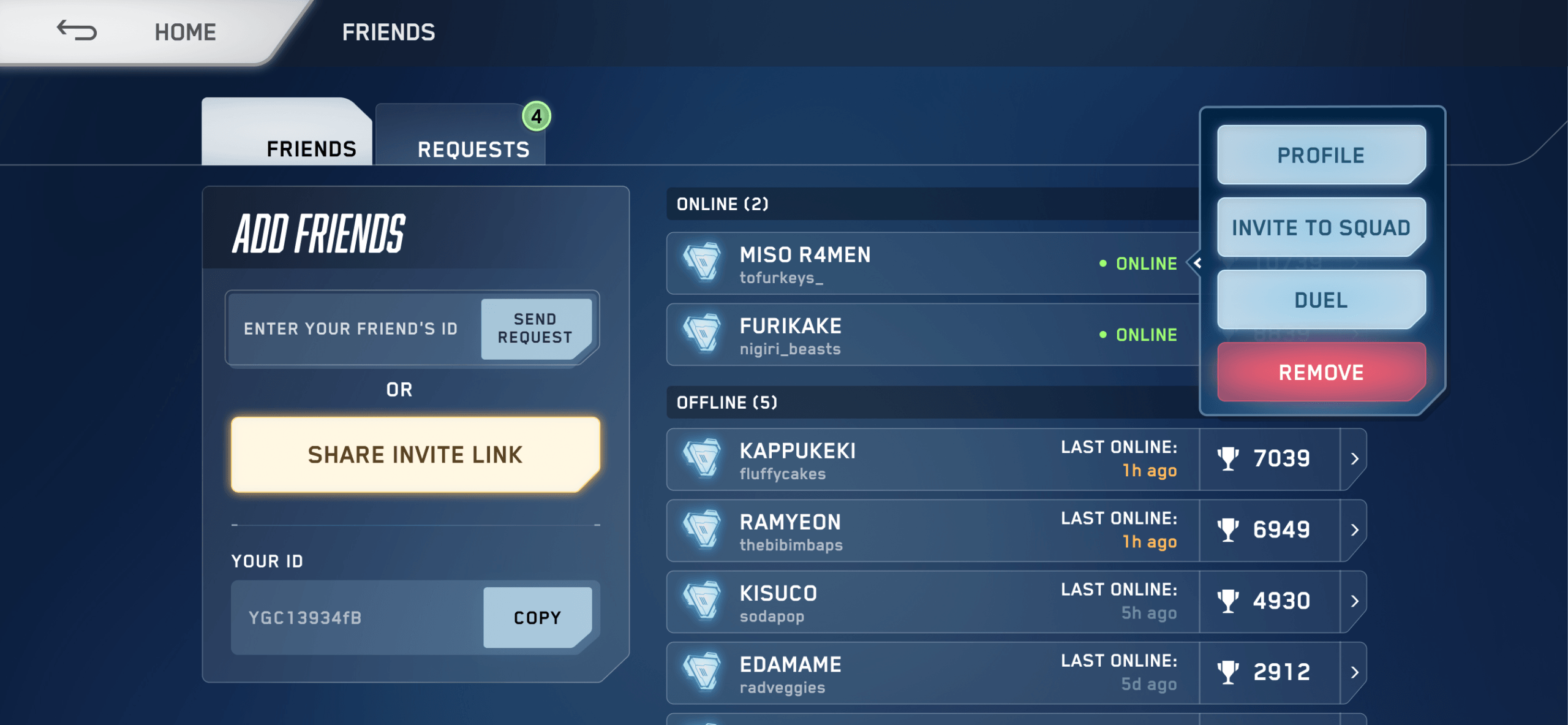
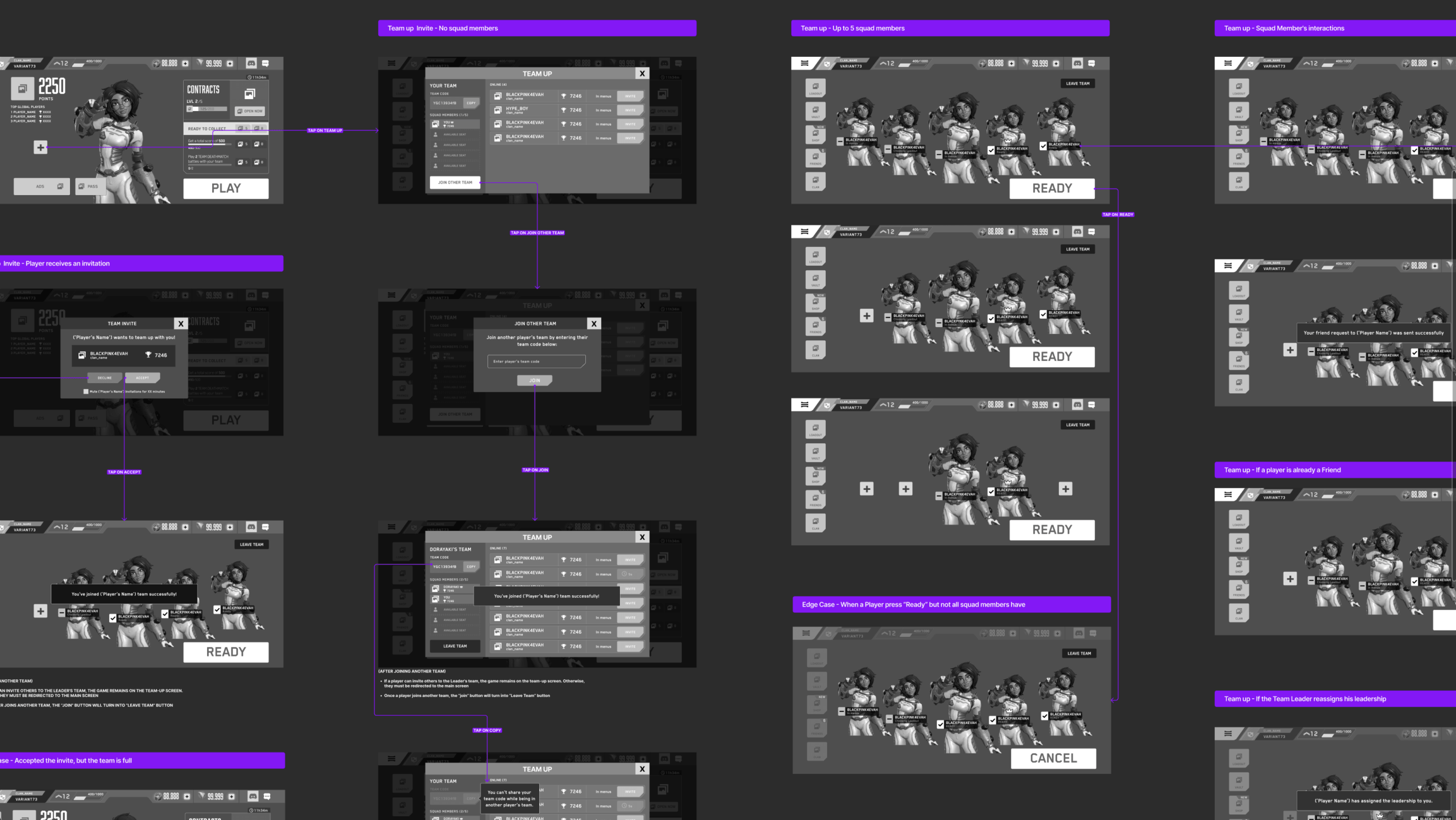
ADD FRIENDS & TEAM UP
Since playing with friends is a key driver of retention, the goal was to make connecting and teaming up as simple as possible. The Friends and Team Up screens share the same logic and a similar layout, reusing UI elements to speed up implementation and keep the experience consistent.
IMPROVING RETENTION
FTUE
Despite all efforts, new features alone weren’t enough to move retention as expected:
D1
D7
23%
0.5%
Looking closer, the soft launch build had no introduction to core gameplay and meta systems beyond the basic controls. Without structured onboarding or a logical progression, players had no clear path from learning the basics to engaging with the rest of the game.
I flagged this to the product and engineering directors, pointing to a weak FTUE as a likely contributor to low retention.
SOLUTION
To define the FTUE sequence, I worked with three inputs:
1. Genre benchmarks, to better understand the pacing and how much to teach at once.
2. Game system specs, to map dependencies between features, so nothing was introduced before the player had what they needed to use it.
3. Product goals, to decide which features had to come early to support D1 retention.
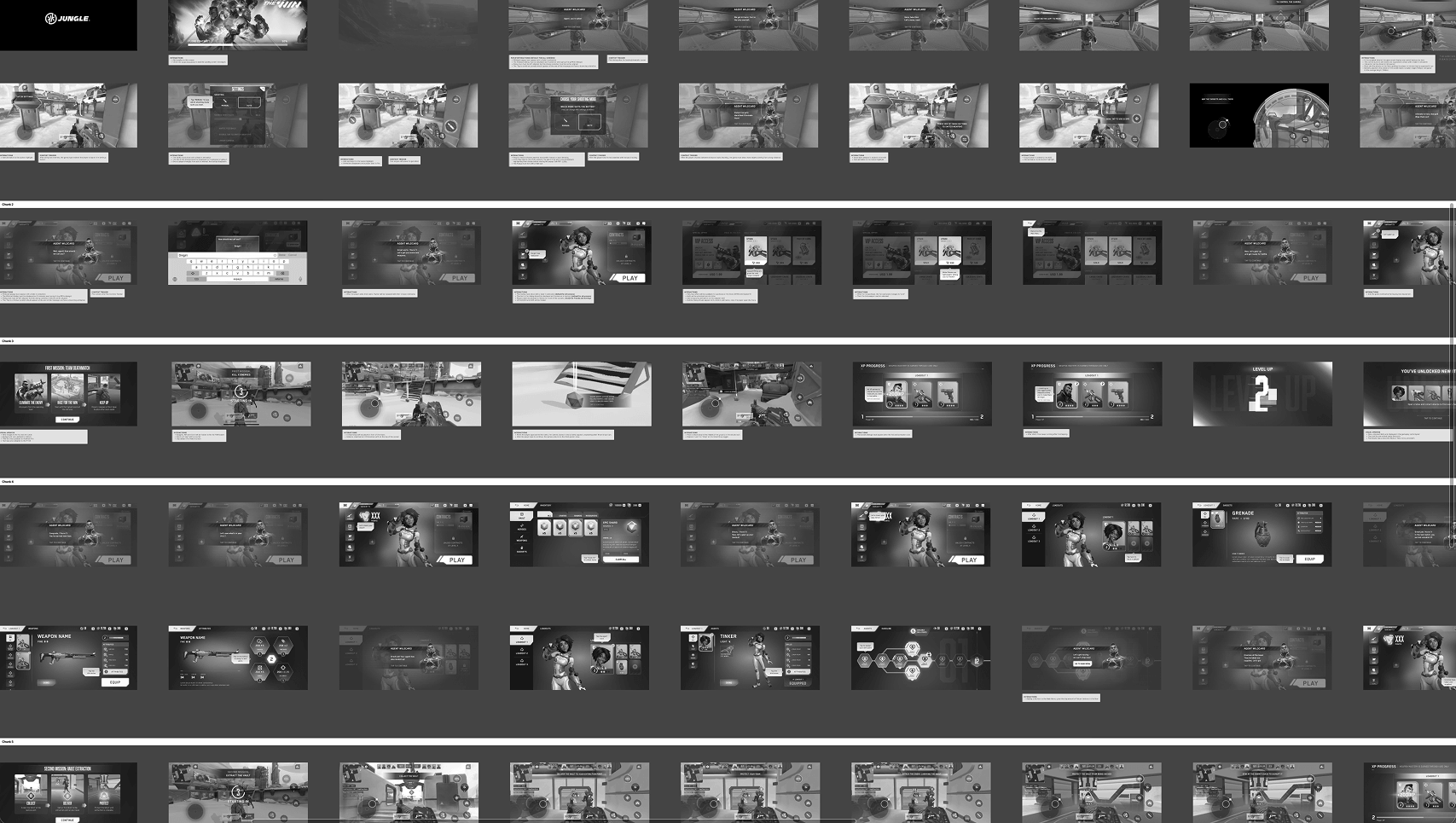
I split the introduction of core gameplay and meta features into 7 chunks. Each chunk introduces one new mechanic, followed by gameplay so players can practice and have fun before the next tutorial arrives.
1. CONTROLS
2. SHOP & EQUIPPING
3. GAME MODE - 5v5
4. COLLECTIBLES & UPGRADES
5. GAME MODE - 3v3
6. MISSIONS
7. LOADOUT
Narrative as an engagement driver
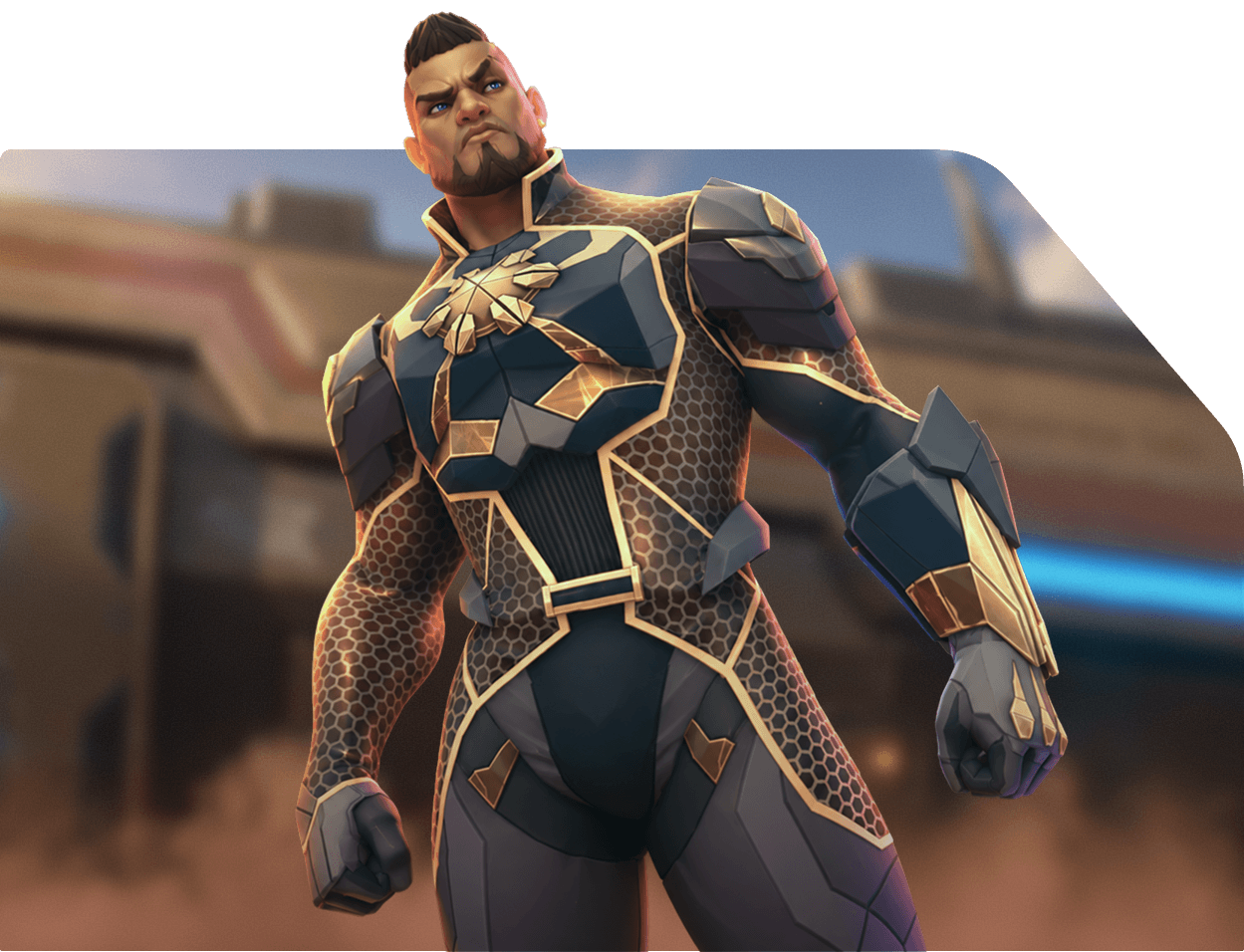
The new FTUE also introduced a narrator character who guides players through its key moments, presenting each new mechanic as part of the story. I designed how the narrator appears across the flow, giving the FTUE a continuous thread and making the game feel more immersive from the start.
NARRATIVE
TUTORIALIZATION
GAMEPLAY
IMPACT
AFTER FTUE IMPLEMENTATION
| RETENTION D1
18% » 36%
| RETENTION D7
0.5% » 5%
| SESSION LENGTH
+75%
8MIN → 14MIN